Table of Contents
- Arkansas Home Selling
- Which Areas in Arkansas Offer the Best Return on Investment and Are Easiest for Residential Property Development?
- What Home Styles, Sizes, and Features Tend to Sell Fastest in the Arkansas Market?
- What Should Home Sellers Know About Zoning Laws, Permits, and Regulatory Requirements in Arkansas?
- Which Towns or Cities in Arkansas Are Easiest, and Hardest, When It Comes to Navigating Real Estate Regulations?
- What Are the Most Effective Flipping and Resale Strategies for Maximizing Profit in Arkansas's Housing Market?
- How Should Sellers Price Their Homes to Attract Buyers While Maximizing Value in Arkansas?
- Which Key Economic, Social, and Regulatory Factors Are Driving Current Trends in Arkansas's Local Property Markets?
Arkansas Home Selling

The Arkansas housing market has seen steady growth, with home prices rising slowly and remaining highly affordable relative to other states. Sellers and buyers benefit from moderate returns on investment and low entry prices. With a median sale price of $271,600 (as of October 2025), Arkansas homes sell for significantly less than the national median of $414,000. The Natural State remains one of the cheapest places to buy real estate in the U.S., second only to West Virginia.
Homes in Arkansas took around 60 days to sell in 2025, which is slightly slower than the U.S. median of closer to 55 days. While some of the nation's hottest housing markets, like Kansas, typically accept offers within just 30 days, Arkansas outpaces slower-moving markets like Louisiana and Mississippi.
With listings up more than 13% year over year, buyers in Arkansas have more options, making homes easier to find and steadying price growth. Though inventory has increased by double-digit percentages year over year, the state maintains a fairly tight 4-month supply of homes. This points to a market that still favors sellers, but is approaching a healthier balance.
Another factor supporting Arkansas's increased supply is new housing construction activity. Arkansas outpaced nearly all its neighbors in new residential construction permits per capita and affordability. According to Realtor.com's Affordability and Homebuilding Report Cards, The Natural State accounted for a 0.9% share of all new construction permits nationwide, right in line with the size of its population. The report card gave Arkansas a B rating, good for eighth overall, highlighting strong homebuilding activity and affordability.
Adding to Arkansas's affordability, the state has a below-average effective property tax rate of 0.57%. This gives Arkansas a strong tax advantage compared to neighboring states like Texas (1.58%), Missouri (0.88%), and Mississippi (0.74%).
In terms of foreclosures, Arkansas saw a moderate rate in October 2025, with one foreclosure in every 4,719 housing units. This positioned the state at number 23 nationwide, with fewer foreclosures than the national rate of 1 in 3,871.
Overall, Arkansas combines some of the country's most affordable housing stock with steady sales and expanding supply. This makes it an attractive destination for buyers and investors, particularly when upfront capital is a concern.
Which Areas in Arkansas Offer the Best Return on Investment and Are Easiest for Residential Property Development?
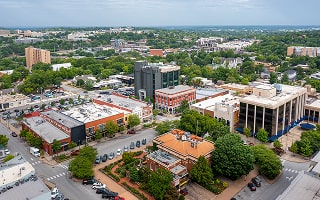
Cities, towns, and neighborhoods across Arkansas offer unique advantages for real estate investors of all types. From affordable homes in small towns to high-demand metro areas, each location has its own mix of property features, tax benefits, and local rules. This creates opportunities for buyers, agents, and investors.
The following locations across Arkansas offer some of the best potential returns on property investment and are generally easier for residential development:
-
Bentonville: Bentonville's population has increased 9.8% since 2020, with a 2.7% jump in 2023 alone. The median home value reached $487,000 in October 2025, a 6.2% increase from the prior year. Investors benefit from tech- and logistics-driven demand, though new builds require city design and site approvals.
-
Fayetteville: With steady demand from University of Arkansas students and faculty, investors benefit from strong rental income. Homes have a median sale price of around $397,000, with properties selling quickly, often within just 30 days.
-
Little Rock: With a steady job market from government and corporate employers, the capital city saw a 10.3% rise in home values between May 2024 and May 2025. The median sale price in 2025 was around $252,000, offering investors an affordable entry point. Average rents in the city are around $1,250 per month.
-
Hot Springs Village: The village has a median sales price of around $320,000, with sellers accepting an offer in roughly 50-60 days. Investors here benefit from tourism-driven rental demand, which offers steady returns on investment.
-
Jonesboro: With a median home value of around $220,000 and average rents of about $1,270, Jonesboro remains affordable for investors, owner occupants, and renters. Nearly 48% of homes are tenant occupied, showing strong rental demand, boosted by Arkansas State University and steady population growth.
-
Walnut Ridge: Walnut Ridge has enjoyed strong multiyear appreciation over the past several years, yet remains highly affordable. With typical property values of around $117,000, Walnut Ridge offers solid investment prospects with an accessible entry point. Walnut Ridge's population also increased 12% between 2020-2025, supporting steady housing demand from buyers and renters alike.
-
Eureka Springs: Eureka Springs has a median home sales price of around $415,000, with homes selling in about 75 days when activity peaks during the spring and summer, but taking significantly longer during off-peak seasons. Investors here benefit from the tourism economy, which fuels demand for short-term rentals.
-
Pea Ridge: This rural town near Northwest Arkansas is one of the fastest-appreciating housing markets in the state, boasting price gains of more than 70% between 2020-2025. With large lot sizes and a typical home value of around $346,000 (as of September 2025), the town offers strong return prospects for investors. The growing population, which increased 17% between 2023 and 2024 alone, reflects strong demand, boosted by nearby job opportunities.
-
Springdale: Home to the world's largest meat producer (Tyson Foods) Springdale enjoys steady job growth and offers real estate investors the possibility of solid returns on investment and rental income. With a median home price of around $348,000, Springdale is more expensive than other areas in Arkansas, but remains well below the national median.
-
Centerton: With rising property values and a population increase of more than 54% within the last five years, the city is attracting both homebuyers and developers. The typical property is valued at around $350,000, representing a roughly 3% increase year over year.
What Home Styles, Sizes, and Features Tend to Sell Fastest in the Arkansas Market?
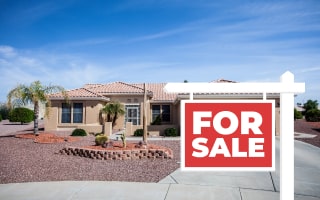
Though Arkansas homes tend to sell at a slightly slower pace than the national median, certain property features can help a home sell faster throughout the state, especially in high-demand markets.
-
![]() Bedrooms: 3- to 4- bedroom homes with at least 2 bathrooms tend to sell the fastest in Arkansas. These are usually single-family homes that offer enough space for growing families seeking functional layouts and comfortable spaces to accommodate children, guests, and home offices. These homes often sell quickly in suburban cities, such as Bentonville, Springdale, and Conway, where buyers value good schools, quiet neighborhoods, and yard space.
Bedrooms: 3- to 4- bedroom homes with at least 2 bathrooms tend to sell the fastest in Arkansas. These are usually single-family homes that offer enough space for growing families seeking functional layouts and comfortable spaces to accommodate children, guests, and home offices. These homes often sell quickly in suburban cities, such as Bentonville, Springdale, and Conway, where buyers value good schools, quiet neighborhoods, and yard space.
-
![]() Size and Lot: Homes sized between 1,500 and 2,500 square feet on lots of 0.25- to 0.5- acres sell the fastest in many Arkansas cities. This size is ideal for people who want enough living space without excessive cleaning or maintenance. In cities such as Fayetteville, Rogers, Bentonville, Conway, and Jonesboro, these homes attract young professionals, couples, and growing families.
Size and Lot: Homes sized between 1,500 and 2,500 square feet on lots of 0.25- to 0.5- acres sell the fastest in many Arkansas cities. This size is ideal for people who want enough living space without excessive cleaning or maintenance. In cities such as Fayetteville, Rogers, Bentonville, Conway, and Jonesboro, these homes attract young professionals, couples, and growing families.
-
![]() Style: Certain home styles across Arkansas sell quickly. In Northwest Arkansas, especially in Bentonville and Rogers, modern farmhouses with clean lines and Craftsman-style homes are in high demand. Fayetteville's historic districts also favor Craftsman bungalows. Ranch-style homes, popular in Little Rock, Pine Bluff, and Fort Smith, also sell fast, while updated Victorian cottages move quickly in scenic towns like Hot Springs, Eureka Springs, and Batesville. In urban areas, such as downtown Little Rock, Fayetteville, and parts of Jonesboro, condos and townhomes with modern amenities usually sell easily.
Style: Certain home styles across Arkansas sell quickly. In Northwest Arkansas, especially in Bentonville and Rogers, modern farmhouses with clean lines and Craftsman-style homes are in high demand. Fayetteville's historic districts also favor Craftsman bungalows. Ranch-style homes, popular in Little Rock, Pine Bluff, and Fort Smith, also sell fast, while updated Victorian cottages move quickly in scenic towns like Hot Springs, Eureka Springs, and Batesville. In urban areas, such as downtown Little Rock, Fayetteville, and parts of Jonesboro, condos and townhomes with modern amenities usually sell easily.
-
![]() Modern Upgrades: Across Arkansas, smart home upgrades can boost values and help properties sell faster. In cities like Bentonville, Little Rock, Fayetteville, and Fort Smith, open-concept kitchens with islands are one of the top-selling features. Energy-efficient systems, such as heat pumps and tankless water heaters, are in high demand in Conway, Jonesboro, and Springdale. Fresh neutral paints and modern lighting appeal to buyers at all price points, while upgrades that improve curb appeal are effective in fast-growing areas like Rogers, Hot Springs, and Benton County.
Modern Upgrades: Across Arkansas, smart home upgrades can boost values and help properties sell faster. In cities like Bentonville, Little Rock, Fayetteville, and Fort Smith, open-concept kitchens with islands are one of the top-selling features. Energy-efficient systems, such as heat pumps and tankless water heaters, are in high demand in Conway, Jonesboro, and Springdale. Fresh neutral paints and modern lighting appeal to buyers at all price points, while upgrades that improve curb appeal are effective in fast-growing areas like Rogers, Hot Springs, and Benton County.


What Should Home Sellers Know About Zoning Laws, Permits, and Regulatory Requirements in Arkansas?

To get the best return on investment, sellers and developers should understand local zoning rules before buying or selling a property. Typically, this includes a familiarity with local land use codes, setback limits, and any special regulations. Failure to adhere to these regulations may result in fines, project delays, or losses in value.
Before purchasing a property, many buyers request a zoning verification letter (or zoning compliance letter) to confirm the property's zoning status and permitted uses. This letter can help avoid issues that might affect future use, resale value, or financing. Since zoning regulations differ across cities and counties in Arkansas, it's important to identify markets with strict zoning laws and those with less bureaucracy, and to have a clear understanding of what's required for a proposed development or renovation project.
Strict Zoning Laws
Some locales in Arkansas have strict zoning laws that tightly control how land and buildings may be used. These rules may limit building types, heights, or uses, such as residential or commercial.
- Little Rock: Chapter 36 of Little Rock's Code of Ordinances divides the city into multiple detailed zoning districts and requires strict adherence to use tables that specify what land uses are permitted, conditionally allowed, or prohibited.
- Fayetteville: The city's Unified Development Code has strict rules for new and renovated homes. These include design and material standards, setback limits, and specific regulations for accessory dwelling units (ADUs).
- Bentonville: Bentonville has several overlay zones, like Downtown Core and Edge, with strict rules for signage, building fronts, and landscaping. These design standards must be followed to obtain a permit.
Less Bureaucratic Zoning Laws
These areas have less bureaucratic zoning laws, making it easier and faster to build or renovate:
- Rogers: The city offers online permit applications through its permitting portal. The portal allows users to submit applications, upload plans, make electronic payments, schedule inspections, and track an application's status.
- Pine Bluff: All permission application forms for building permits, plan review, and zoning are available online, and submission is solely by email.
- Hope: The city has multiple zoning districts for commercial, residential, and industrial use. All building permit applications must be submitted using the Online Building Permit Application Portal.
Special Permit Required Via Public Hearing
In some Arkansas cities, you need a special permit for certain projects. This usually involves a public hearing and approval from the local zoning board or planning commission.
- Little Rock: Rezoning requires a Planning Commission hearing, and decisions may be appealed to the City Council.
- Hot Springs: A conditional use permit is required for increases in density and most commercial conversions. The Planning Commission holds public hearings before granting approval.
- Fayetteville: A public hearing is required for rezoning and variances. These hearings are typically held by the Board of Adjustments or the Planning Commission.
Certificate of Occupancy Required
In Arkansas, a Certificate of Occupancy (CO) is required before a property can be legally occupied after new construction, major renovations, or a change in use. While real estate closings may proceed, move-in and utility activations generally wait until the CO is issued. Local building departments grant the CO after final inspections confirm compliance with zoning, safety, and building codes. For buyers, sellers, and investors, understanding CO requirements is key to avoiding delays and ensuring a smooth property transaction.
Historic Commission Approval Required
Some Arkansas cities have historic commissions that protect the look of older neighborhoods. If a property is located in a historic district, homeowners must obtain approval for exterior renovations or other changes to the property's appearance, including the types of materials and paint colors used, to preserve the area's historic character.
- Eureka Springs: A Historic District Commission (HDC) review is required for any exterior work within the district. A Certificate of Appropriateness is usually required for renovations and modifications.
- Little Rock's Quapaw Quarter: Per Little Rock's Quapaw Quarter Historic District Guidelines, any exterior changes in designated districts require a Certificate of Appropriateness.
- Fort Smith: Fort Smith is designated as a Certified Local Government. It has a Historic District Commission, which reviews and approves exterior alterations within historic districts, usually requiring a Certificate of Appropriateness.
Which Towns or Cities in Arkansas Are Easiest, and Hardest, When It Comes to Navigating Real Estate Regulations?

In Arkansas, home sellers and developers must follow local zoning laws, permit rules, and any historic district requirements. Skipping this step may delay closings, cause loan issues, lead to fines, or lower your property's value. Below are some cities and counties in Arkansas, categorized by their regulatory climate:
Development-Friendly Areas
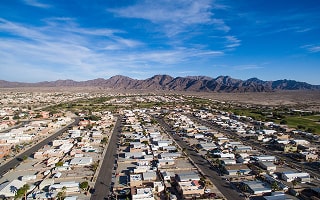
These are real estate markets across Arkansas where local rules, permits, and zoning are flexible, making it faster and easier to start and complete projects:
- Bentonville: The city offers online permitting through the eTrakit system, streamlining the submission and management of permits and development applications.
- Rogers: The city operates an online permitting portal that enables users to submit applications for building permits, sign permits, and business licenses.
- Springdale: The Planning Department centralizes zoning, subdivision, and permitting services. Applications and supplemental documents may be submitted via online submission portal.
- Fayetteville: Fayetteville's Development Services consolidates planning, building safety, and licensing using its Civic Access Portal.
- Conway: The city's Building Permits & Inspections Department allows for electronic submission of building permits through its Civic Access Portal (submissions through the portal receive priority processing). Residential permits are approved within 3-5 business days, while commercial permit approvals may take up to 3 weeks.
Moderately Regulated Areas (Somewhat Strict Regulations)
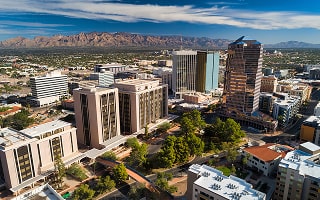
Moderately regulated areas in Arkansas have some rules and permits that take time and planning but don't significantly delay development. Some of these areas include:
- Little Rock: Outside historic areas, the city's Planning and Development Department offers a permit portal to streamline building permits, rezonings, and conditional use applications. However, the city requires a site plan review, which may lengthen the approval process.
- Russellville: The city requires pre-application meetings for building permits to discuss the project with city staff before submitting the final application to the Fire, Building, and Safety Division.
- City of Van Buren: The city's Planning Department requires a public notice and hearings, especially for rezoning, conditional uses, and variance requests.
- Greenwood: Although the Planning and Community Development Department provides an online permitting portal for submitting applications, it requires public notices and hearings for rezonings and variances.
- Bryant: The city provides clear fee schedules and permit checklists to make the permit application process straightforward. However, standard zoning rules may include public hearing requirements for rezonings and conditional use permits.
Highly Restrictive or Bureaucratic Areas
Highly restrictive areas within Arkansas have strict rules, strong community pushback, and slow approval processes, making new development challenging. These areas include:
- Eureka Springs: The city requires a Certificate of Appropriateness for most exterior alterations, repairs, and new construction within the Eureka Springs Historic District.
- Hot Springs: Any exterior alterations, additions, or new construction within the city's historic districts require a Certificate of Appropriateness issued by the Hot Springs Historic District Commission.
- Little Rock Historic Districts: All exterior changes in the city's historic districts require a Certificate of Appropriateness from the Historic District Commission to ensure compatibility with the area's historic character.
- Fort Smith Riverside Historic District: The district is overseen by a Historic District Commission that has a strict review process, including public hearings and adherence to preservation standards, for approving most exterior changes.
- Batesville: The Historic District Commission is responsible for overseeing alterations within designated historic areas. All changes to the exterior of a building require a formal hearing process.
Regulatory Climate Factors

In Arkansas, building codes and zoning laws vary by city and generally affect how quickly and affordably you're able to complete a project. The table below links each regulatory factor to its impact on development, noting the locations within Arkansas where they're often found.
Factor |
Impact on Development |
Where It's Found |
|---|---|---|
Zoning Flexibility |
Determines ease of land use |
Bentonville, Rogers, Springdale, Fayetteville, Conway, Jonesboro, Fort Smith, and Cabot |
Historic Preservation Laws |
Adds restrictions |
Eureka Springs, Hot Springs, Little Rock, Batesville, Fayetteville Historic Square, Helena-West Helena, and Fort Smith |
Wetlands/Conservation |
Limits buildable land |
Buffalo River Corridor, White River Basin, Ouachita National Forest Buffer zones, Beaver Lake, Mountain Home, and North Little Rock |
Affordable-Housing Incentives |
Requires affordable units |
Fayetteville, Little Rock, Conway, Pine Bluff, Bentonville, Springdale, Jonesboro, Hot Springs, and Fort Smith |
Building Code Enforcement |
Affects cost/speed |
Little Rock, Fort Smith, Bentonville, Fayetteville, Conway, Hot Springs, and Jonesboro |
Local Politics/NIMBYism* |
Blocks or delays projects |
Fayetteville, Hot Springs, Eureka Springs, select Little Rock Historic neighborhoods, and Maumelle |
*NIMBYism - Not in My Backyard
What Are the Most Effective Flipping and Resale Strategies for Maximizing Profit in Arkansas's Housing Market?

Based on an analysis of Arkansas's real estate market, including market trends, local rules, and economic growth, these strategies are the most profitable for house flippers to maximize profit:
-
![]()
Target Distressed or Foreclosed Homes: Foreclosed homes or distressed properties are generally in poor condition or sold under pressure. They're typically bought below market value, allowing room for repairs and profit. County auctions and bank-owned listings (REOs) in Pulaski, Benton, and Washington counties usually offer competitive prices. In struggling markets like Pine Bluff, abandoned homes are often listed below market value, giving flippers an opportunity to rehab and resell at full market value.
-
![]()
Use the 70% Rule: The 70% rule stipulates that flippers and resellers shouldn't pay more than 70% of a home's after-repair (ARV), minus the cost of repairs. The formula is: Maximum Offer = (ARV x 70%) - Repair Costs. In markets like Fayetteville and Little Rock, this rule helps avoid overpaying and leaves room for profit after making upgrades.
-
![]()
Wholetailing for Speed: With this strategy, investors make minor, cosmetic updates, like fresh paint, new flooring, or kitchen touch-ups, before quickly listing the property for sale. This strategy saves time and money, appealing to budget-conscious buyers. In fast-moving suburbs, such as Springdale, Jonesboro, Hot Springs, and Sherwood, wholetailing works because demand is high and homes often sell within a few weeks.
-
![]()
Follow the BRRRR Method (Buy, Rehab, Rent, Refinance, Repeat): The BRRRR method involves buying undervalued homes in high-demand areas like Fayetteville or Little Rock, rehabbing the property with modern updates, renting it out for steady income, then refinancing based on the new, higher value. This allows investors to pull out equity to invest in the next property. This strategy creates ongoing cash flow while growing your portfolio through repeated cycles.
-
![]()
Go Beyond Cosmetic Work (Value-Add Flipping): Value-add flipping focuses on making structural changes, not just cosmetic upgrades, to increase a property's value. In cities like Rogers, Bentonville, and Fayetteville, flippers may boost profits by converting single-family homes into duplexes or adding bedrooms, bathrooms, or ADUs (if local zoning laws allow). These changes may raise the ARV by up to 30%. In growing areas with strong demand, such as Springdale and parts of Little Rock, value-add flips and upgrades also increase rental income.
-
![]()
Buy at Auction and Off Market: Exploiting auction and off-market deals may give Arkansas flippers an edge. By building relationships with auction houses, title companies, and probate attorneys, flippers can find off-market properties, such as tax-lien sales, estate sales, or distressed homes, that never appear on the MLS. These properties typically sell below market value, leaving room for higher profit margins. Auctions and probate opportunities are common in cities like Little Rock, Fort Smith, and Hot Springs, and in counties such as Washington, Benton, and Pulaski.
-
![]()
Use Staging and Strategic Pricing: In Arkansas markets like Springdale, Fayetteville, Prairie Grove, Bentonville, Rogers, and parts of Pulaski County, professional staging can reduce time on the market and increase sale prices. Staging highlights a home's best features to make it more appealing to buyers and help them envision themselves living in the space. Pairing this with strategic pricing can attract more interest and possibly spark bidding wars.


How Should Sellers Price Their Homes to Attract Buyers While Maximizing Value in Arkansas?

Before selling a property in Arkansas, it's a good idea to work with a local real estate agent or certified appraiser, who can review recent comparable sales from the past 90 days. This ensures that your asking price reflects the property's current market value, avoiding either overpricing or underpricing. Once you're familiar with local property values, you can use the following pricing strategies to attract buyers and help maximize sale price and speed:
-
![]() Pricing Just Below Below Market Thresholds: This strategy sets your list price slightly under a round number like $199,900, instead of $200,000. Many buyers filter their online searches by price caps, so coming in under the threshold can help include your home in more search results, generating more views and interest. It's effective in competitive Northwest Arkansas suburbs, like Bentonville, Rogers, and Springdale, where homes sell quickly.
Pricing Just Below Below Market Thresholds: This strategy sets your list price slightly under a round number like $199,900, instead of $200,000. Many buyers filter their online searches by price caps, so coming in under the threshold can help include your home in more search results, generating more views and interest. It's effective in competitive Northwest Arkansas suburbs, like Bentonville, Rogers, and Springdale, where homes sell quickly.
-
![]() Charm Pricing (Psychological Pricing): Charm pricing is when you set a home's price with odd-numbered endings (e.g., 7 or 9), like $274,900 instead of $275,000. Even though the difference is small, buyers perceive it as a better deal. Psychological pricing works in mid-tier and suburban markets where buyers compare many similar homes and small differences influence decisions. In Arkansas, it's effective in Little Rock suburbs, Conway, and Jonesboro, where subdivisions have a similar layout and features, and small price differences can set listings apart.
Charm Pricing (Psychological Pricing): Charm pricing is when you set a home's price with odd-numbered endings (e.g., 7 or 9), like $274,900 instead of $275,000. Even though the difference is small, buyers perceive it as a better deal. Psychological pricing works in mid-tier and suburban markets where buyers compare many similar homes and small differences influence decisions. In Arkansas, it's effective in Little Rock suburbs, Conway, and Jonesboro, where subdivisions have a similar layout and features, and small price differences can set listings apart.
-
![]() Pricing to Create a Bidding War: Pricing to create a bidding war works by intentionally listing your home slightly below its true market value to spark urgency and attract more buyers. This strategy is ideal when demand is high, inventory is low, and competition is fierce. In Arkansas, this includes areas with top-rated schools and access to jobs, like Rogers and Bentonville.
Pricing to Create a Bidding War: Pricing to create a bidding war works by intentionally listing your home slightly below its true market value to spark urgency and attract more buyers. This strategy is ideal when demand is high, inventory is low, and competition is fierce. In Arkansas, this includes areas with top-rated schools and access to jobs, like Rogers and Bentonville.
-
![]() High-Anchor Pricing (Test the Waters): High-anchor pricing involves listing your home at the upper end of the market range to gauge buyer interest while leaving room to negotiate. By starting high, you create a perception of exclusivity, leaving room for negotiations and future price reductions. High-anchor pricing is common for luxury properties in upscale Bentonville neighborhoods or unique vacation homes in Eureka Springs, where one-of-a-kind features attract niche buyers.
High-Anchor Pricing (Test the Waters): High-anchor pricing involves listing your home at the upper end of the market range to gauge buyer interest while leaving room to negotiate. By starting high, you create a perception of exclusivity, leaving room for negotiations and future price reductions. High-anchor pricing is common for luxury properties in upscale Bentonville neighborhoods or unique vacation homes in Eureka Springs, where one-of-a-kind features attract niche buyers.
-
![]() Price-Per-Square-Foot Benchmarking: Price-per-square-foot benchmarking works by researching recent sales on the MLS, then matching your price to local averages. This strategy helps buyers feel more confident that they're paying a fair market rate. Price-per-square-foot benchmarking is effective in new subdivisions in Springdale, Conway, and many college towns, where buyers and agents usually compare properties using this metric.
Price-Per-Square-Foot Benchmarking: Price-per-square-foot benchmarking works by researching recent sales on the MLS, then matching your price to local averages. This strategy helps buyers feel more confident that they're paying a fair market rate. Price-per-square-foot benchmarking is effective in new subdivisions in Springdale, Conway, and many college towns, where buyers and agents usually compare properties using this metric.
-
![]() Appraisal-Backed Pricing: Appraisal-backed pricing means setting your asking price close to what the home is likely to appraise for. This can help reduce the risk of financing problems, especially with FHA or VA buyers, which have strict appraisal rules. By getting a pre-listing appraisal, you may be able to avoid appraisal gaps that can jeopardize closings. Appraisal-backed pricing is ideal in Fort Smith, Pine Bluff, Jacksonville, and areas near military bases where there are many FHA and VA buyers.
Appraisal-Backed Pricing: Appraisal-backed pricing means setting your asking price close to what the home is likely to appraise for. This can help reduce the risk of financing problems, especially with FHA or VA buyers, which have strict appraisal rules. By getting a pre-listing appraisal, you may be able to avoid appraisal gaps that can jeopardize closings. Appraisal-backed pricing is ideal in Fort Smith, Pine Bluff, Jacksonville, and areas near military bases where there are many FHA and VA buyers.
-
![]() Net-to-Seller Pricing: Net-to-seller pricing helps sellers determine the right list price by working backward from the amount they want to walk away with after selling. This means factoring in agent commissions, closing costs, taxes, and any other fees. By calculating these expenses first, sellers can set a realistic price that meets their financial goals. This approach is ideal in cities such as Little Rock, Fayetteville, and Bentonville, as well as Washington and Pulaski counties.
Net-to-Seller Pricing: Net-to-seller pricing helps sellers determine the right list price by working backward from the amount they want to walk away with after selling. This means factoring in agent commissions, closing costs, taxes, and any other fees. By calculating these expenses first, sellers can set a realistic price that meets their financial goals. This approach is ideal in cities such as Little Rock, Fayetteville, and Bentonville, as well as Washington and Pulaski counties.
-
![]() Urgency Pricing (Motivated Seller Strategy): Urgency pricing sets a list price below market value to sell a property quickly. It's typically used in pre-foreclosure, probate, divorce, or relocation situations where selling the property takes priority over getting top dollar for it. Urgency pricing is also ideal in markets where there are more distressed properties or foreclosures, such as Pine Bluff and rural areas of the state.
Urgency Pricing (Motivated Seller Strategy): Urgency pricing sets a list price below market value to sell a property quickly. It's typically used in pre-foreclosure, probate, divorce, or relocation situations where selling the property takes priority over getting top dollar for it. Urgency pricing is also ideal in markets where there are more distressed properties or foreclosures, such as Pine Bluff and rural areas of the state.


To get the best price and attract the right buyers, start by determining the type of market condition in your local market. Then, choose the pricing strategy that best suits those conditions and your specific goals. Use the guide below to see which pricing tactic works best in each market condition.
Market Condition |
Best Strategy |
|---|---|
Seller's Market |
Underpricing for a bidding war |
Buyer's Market |
Charm pricing or net-to-seller |
Unique, luxury home |
High-anchor + value justification |
Entry-level home |
Just below threshold |
Urgent sale needed |
Aggressive urgency pricing |
Flipper or investor listing |
Appraisal-backed or price-per-square-foot |
Which Key Economic, Social, and Regulatory Factors Are Driving Current Trends in Arkansas's Local Property Markets?

Arkansas's dynamic property market, economic strength, population trends, and local rules shape each region's conditions. Below are some of the main factors driving its housing market performance:
![]() Economic Factors
Economic Factors
 Economic Factors
Arkansas's housing market is shaped by steady job growth in key areas, such as manufacturing, logistics, and technology, especially in Northwest Arkansas and Little Rock. With an unemployment rate of 3.8% (as of August 2025), local employment opportunities create stable income opportunities, spurring consistent demand for homes and rentals. The state ranks first in cost of living and third in housing affordability, which attracts remote workers and retirees from states with higher costs of living.
![]() Demographic and Social Factors
Demographic and Social Factors
 Demographic and Social Factors
Arkansas's population is growing quickly in cities like Bentonville, Fayetteville, and Hot Springs as in-migration from higher-cost coastal states continues to rise. These areas typically experience strong demand for both home sales and rentals. In addition, college towns, like Fayetteville, Jonesboro, and Conway, enjoy steady rental demand from students and faculty, lowering vacancy risks for investors.
The state's median age is 38.9, implying that more buyers and investors are focused on family-sized properties. Meanwhile, many retirees are downsizing to smaller, more modern properties with lower maintenance costs. Overall, shifting demographics continue to change the types of homes that are most in demand across Arkansas.
![]() Regulatory and Legal Framework
Regulatory and Legal Framework
 Regulatory and Legal Framework
Arkansas has no statewide rent-control laws, providing landlords and investors with the flexibility to set their rents at the prevailing market rate. However, zoning and permitting vary widely by city. Northwest Arkansas cities like Bentonville and Rogers are development friendly, with flexible land-use rules that speed up building projects. In contrast, historic districts in Little Rock, Eureka Springs, and Hot Springs have strict design standards that require a Certificate of Appropriateness.
Some cities, like Little Rock, offer investment incentives that encourage property investment. However, developers should always check with local offices to understand rules and available benefits before investing in any project.
![]() Taxation and Fiscal Policy
Taxation and Fiscal Policy
 Taxation and Fiscal Policy
Arkansas offers lower property taxes than the U.S. average, helping reduce holding costs and improve cash flow for investors. However, it does impose an income tax and capital gains tax at the state level, so developers should consider these costs when planning to sell their properties. Programs like the Rehabilitation Tax Credits, especially in cities like Little Rock, Fort Smith, and Hot Springs, support downtown redevelopment. Similarly, the Low-Income Housing Tax Credits Program makes housing affordable for low-income households across Arkansas.
![]() Housing Policy and Government Programs
Housing Policy and Government Programs
 Housing Policy and Government Programs
The Arkansas Development Finance Authority (ADFA) offers low-interest loans and financing options to assist first-time buyers and support development of mixed-income housing. The Down Payment Assistance Program provides support for down payments and closing costs, helping boost entry-level homeownership. These housing incentives aim to close supply gaps, especially in cities such as Little Rock, Fayetteville, and Bentonville. For smaller towns, USDA housing repair loans and grants encourage homebuilding and renovations in rural areas of the state.
![]() Infrastructure and Development Trends
Infrastructure and Development Trends
 Infrastructure and Development Trends
Transportation improvements, such as Interstate 49 and Interstate 30 projects, are opening new growth areas in Benton and Pulaski counties, boosting suburban development near Springdale, Conway, and North Little Rock. Retail, office, and amenities grow alongside jobs, with attractions like Bentonville's Crystal Bridges Museum and Little Rock's River Market driving nearby residential demand.
![]() Market Sentiment and Investor Behavior
Market Sentiment and Investor Behavior
 Market Sentiment and Investor Behavior
Arkansas's housing market is steady overall, but a price-to-list ratio of 96.8% shows that buyers are picking up steam and reclaiming negotiating power. Successful investors in Arkansas may use different strategies, depending on current market conditions. Long-term rental approaches like BRRRR are now popular in Fayetteville, Jonesboro, and parts of Little Rock, where there's steady rental demand. Flipping and wholetailing are more prevalent in suburbs like Springdale and Rogers, while Pine Bluff and Delta attract deep-value rehab buyers. Short-term vacation rentals thrive in tourist towns like Hot Springs and Eureka Springs, though these areas face seasonal demand challenges and potentially restrictive local rules.
Arkansas's real estate market offers great opportunities for buyers and investors with some of the most affordable homes in the nation. Northwest Arkansas is growing fast, driven by big companies and the arrival of new residents, boosting demand for home sales and rentals. Central Arkansas continues to show its resilience and affordability, offering investors the prospect of solid returns.
Local rules vary widely across Arkansas. Some cities help make development easier, while others, especially historic areas, impose tougher regulations. Successful investors aim to match their strategies to their property's locale to ensure their property sells fast and for top dollar. Therefore, understanding the local market and zoning laws where you intend to invest is essential. To help get a better feel for the market, it's also a good idea to work with local real estate agents and certified appraisers, who can help ensure your pricing reflects the home's true market value.
Table of Contents
- Arkansas Home Selling
- Which Areas in Arkansas Offer the Best Return on Investment and Are Easiest for Residential Property Development?
- What Home Styles, Sizes, and Features Tend to Sell Fastest in the Arkansas Market?
- What Should Home Sellers Know About Zoning Laws, Permits, and Regulatory Requirements in Arkansas?
- Which Towns or Cities in Arkansas Are Easiest, and Hardest, When It Comes to Navigating Real Estate Regulations?
- What Are the Most Effective Flipping and Resale Strategies for Maximizing Profit in Arkansas's Housing Market?
- How Should Sellers Price Their Homes to Attract Buyers While Maximizing Value in Arkansas?
- Which Key Economic, Social, and Regulatory Factors Are Driving Current Trends in Arkansas's Local Property Markets?